Maintenance Tips For Your Stratco Patio/carport In Central Coast Weather
A Stratco patio or carport is a long-term investment in your home’s comfort and usability. Designed for strength and durability, these structures perform well in demanding outdoor conditions, but they are not maintenance-free. Coastal environments introduce additional challenges that can quietly impact outdoor structures over time. Salt in the air, persistent humidity, seasonal storms, and intense sun exposure all contribute to gradual wear if left unmanaged.
With a thoughtful maintenance routine, homeowners can protect both the appearance and structural integrity of their patio or carport. Understanding how environmental factors influence materials allows owners to take practical steps at the right time, avoiding unnecessary repairs and extending the lifespan of their outdoor space.
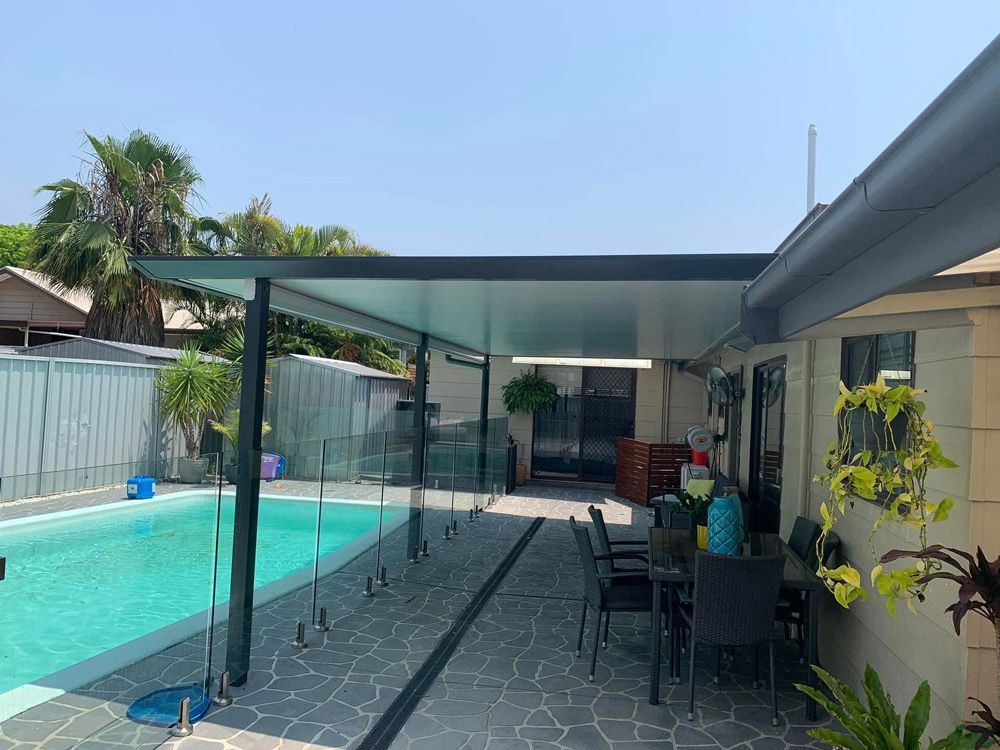
Why Central Coast weather demands a proactive maintenance mindset for Stratco structures
Coastal conditions create a unique environment for outdoor structures. Central Coast’s coastal air and humidity can accelerate corrosion, particularly in metal components such as fixings, brackets, and structural joints. Even high-quality materials benefit from regular attention when exposed to moisture-laden air for extended periods.
A proactive approach to maintenance focuses on identifying early changes rather than responding to visible damage. Minor surface wear, light corrosion, or water retention often begins in areas that are not immediately obvious. Patio builders regularly encounter issues that could have been prevented through routine inspections and basic upkeep. By maintaining a consistent maintenance mindset, owners reduce the risk of structural deterioration while preserving the clean lines and finish Stratco products are known for.
Establishing a simple but effective cleaning routine to protect Stratco finishes
Cleaning plays a vital role in protecting outdoor structures, particularly in coastal regions. Central Coast’s coastal air and humidity can leave salt residue on exposed surfaces, which gradually breaks down protective coatings if not removed. Regular cleaning prevents build-up and keeps surfaces performing as intended.
- Rinsing with fresh water helps remove salt deposits after windy or stormy conditions
- Mild detergents lift grime without damaging painted or coated surfaces
- Attention should be given to beams, roof sheets, and shaded areas where moisture lingers
While many owners manage routine cleaning themselves, professional cleaning services can be useful for larger structures or difficult-to-access areas. Patio builders often combine cleaning with inspections, ensuring early signs of wear are addressed before they progress.
Spotting early corrosion before it becomes a costly structural issue
Corrosion rarely appears suddenly. It often begins as minor surface changes that are easy to overlook. In coastal climates, Central Coast’s coastal air and humidity can accelerate corrosion around fasteners, edges, and concealed joints, even when the overall structure appears sound.
Early indicators may include faint rust staining, bubbling paint, or roughened metal surfaces. These signs do not always mean immediate structural concern, but they do indicate that protective layers may be compromised. Patio builders are trained to assess whether corrosion is superficial or linked to deeper exposure. Early treatment often involves cleaning, resealing, or replacing small components, avoiding more extensive repairs later on.
Checking fixings, bolts, and brackets after seasonal weather changes
Seasonal weather shifts place natural stress on outdoor structures. Strong winds, temperature changes, and heavy rain can cause minor movement over time. Combined with Central Coast’s coastal air and humidity, loosened fixings are more susceptible to corrosion if not addressed promptly.
- Inspect bolts and brackets for visible movement or rust marks
- Check roof-to-beam connections where water exposure is highest
- Note any unusual noises during windy conditions
Visual checks are a helpful starting point, but professional inspections ensure fixings are tightened correctly and replaced with suitable components when required. Patio builders assess structural connections with safety and compliance in mind, maintaining long-term stability.
Keeping gutters and drainage systems clear to avoid hidden damage
Effective water management is essential in coastal environments where sudden downpours are common. Blocked gutters or poor drainage can cause water to overflow or pool around posts and roof connections. In humid coastal conditions, this trapped moisture can contribute to corrosion and surface breakdown over time.
Routine gutter clearing and monitoring water flow during rainfall helps prevent these issues. Professional patio inspections often include drainage assessments, identifying misalignment or areas where water is not dispersing efficiently. Addressing drainage concerns early helps protect both the structure and surrounding surfaces from prolonged moisture exposure.
Maintaining paintwork and protective coatings for long-term durability
Protective coatings are designed to shield Stratco patios and carports from environmental exposure, but they still require monitoring. Central Coast’s coastal air and humidity can gradually wear down coatings, particularly on wind-facing or sun-exposed surfaces.
- Look for fading, chalking, or thinning of painted finishes
- Pay close attention to joints, edges, and fasteners
- Arrange timely touch-ups to maintain a sealed surface
In some cases, touch-up work restores protection effectively. In others, professional recoating or component replacement may be recommended. Patio builders can assess coating performance and advise on appropriate maintenance strategies based on age, exposure, and usage.
Preparing your patio or carport ahead of summer storms and heavy rain
Storm preparation is a key part of protecting outdoor structures. Before storm-prone periods, inspections help identify vulnerabilities that may be amplified during severe weather. Combined with Central Coast’s coastal air and humidity, storm exposure can accelerate wear if weaknesses are left unaddressed.
Pre-season inspections typically focus on fixings, roof sheets, drainage, and overall stability. Patio builders often recommend preventative adjustments that reduce the risk of movement, leaks, or surface damage during heavy rain and strong winds. Preparing in advance helps minimise unexpected maintenance issues when weather conditions intensify.
When ongoing maintenance turns into an upgrade or professional inspection
Over time, routine maintenance can naturally lead to broader improvement opportunities. Coastal exposure may prompt owners to consider upgrades that better suit local conditions, particularly as structures age.
- Replacing older components with updated corrosion-resistant materials
- Improving drainage design to manage water flow more effectively
- Reinforcing structural elements to enhance long-term stability
Patio builders provide valuable guidance during this stage, assessing existing Stratco patios and carports and recommending practical upgrades that extend lifespan and maintain visual appeal without unnecessary replacement.
We at Outdoor Leisure Living understand how Central Coast conditions, including coastal air, humidity, and seasonal storms, can affect Stratco patios and carports over time. If you’re looking for professional maintenance, inspections, or advice on upgrades, we’re here to help.
Visit https://www.outdoorleisureliving.com.au/ to explore our services or get in touch to book a consultation and keep your outdoor structure performing reliably in local conditions.